.svg)
.svg)

- Home
- About Us
- Academics
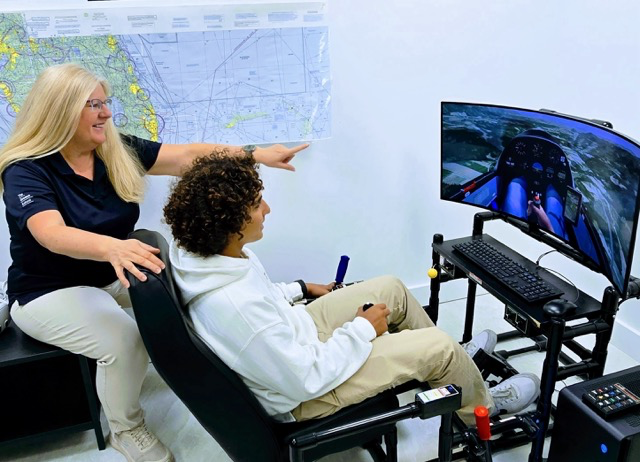
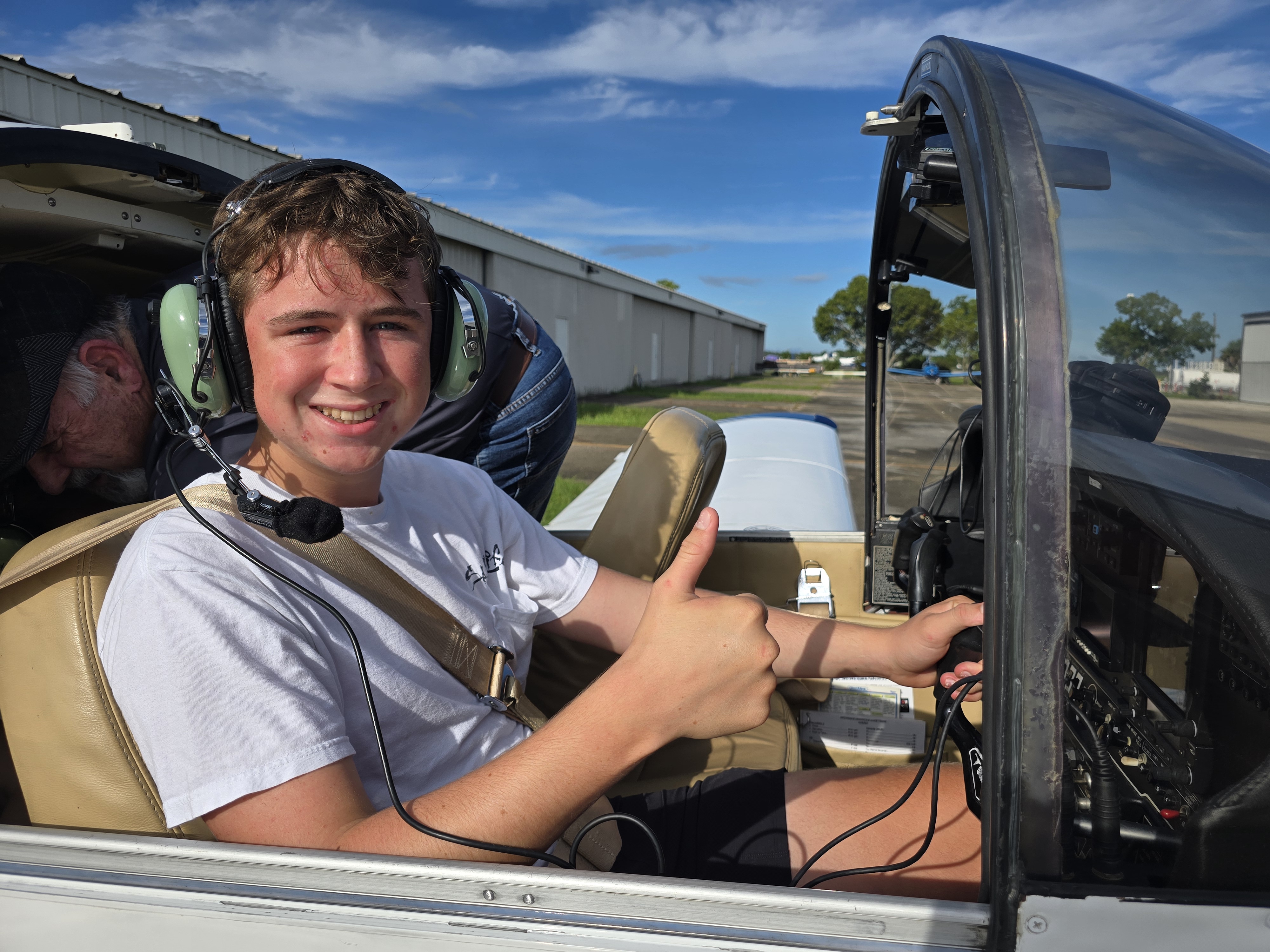
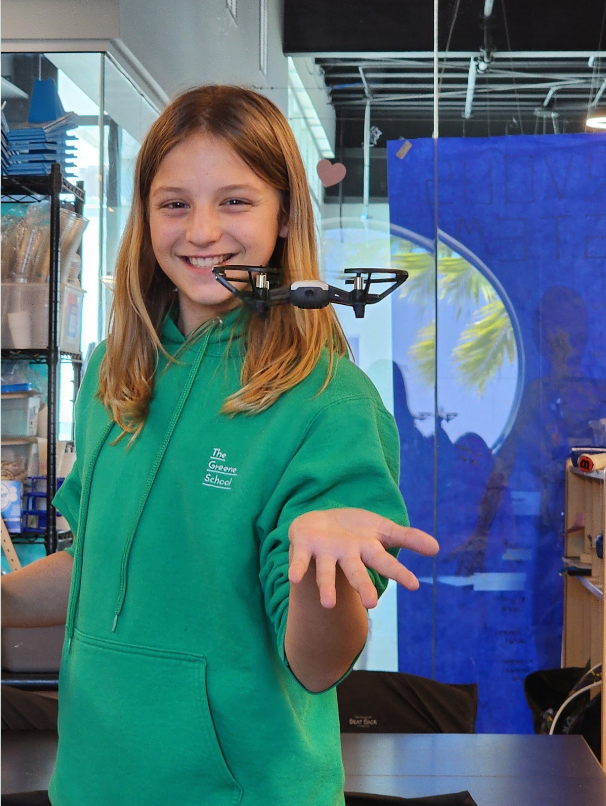

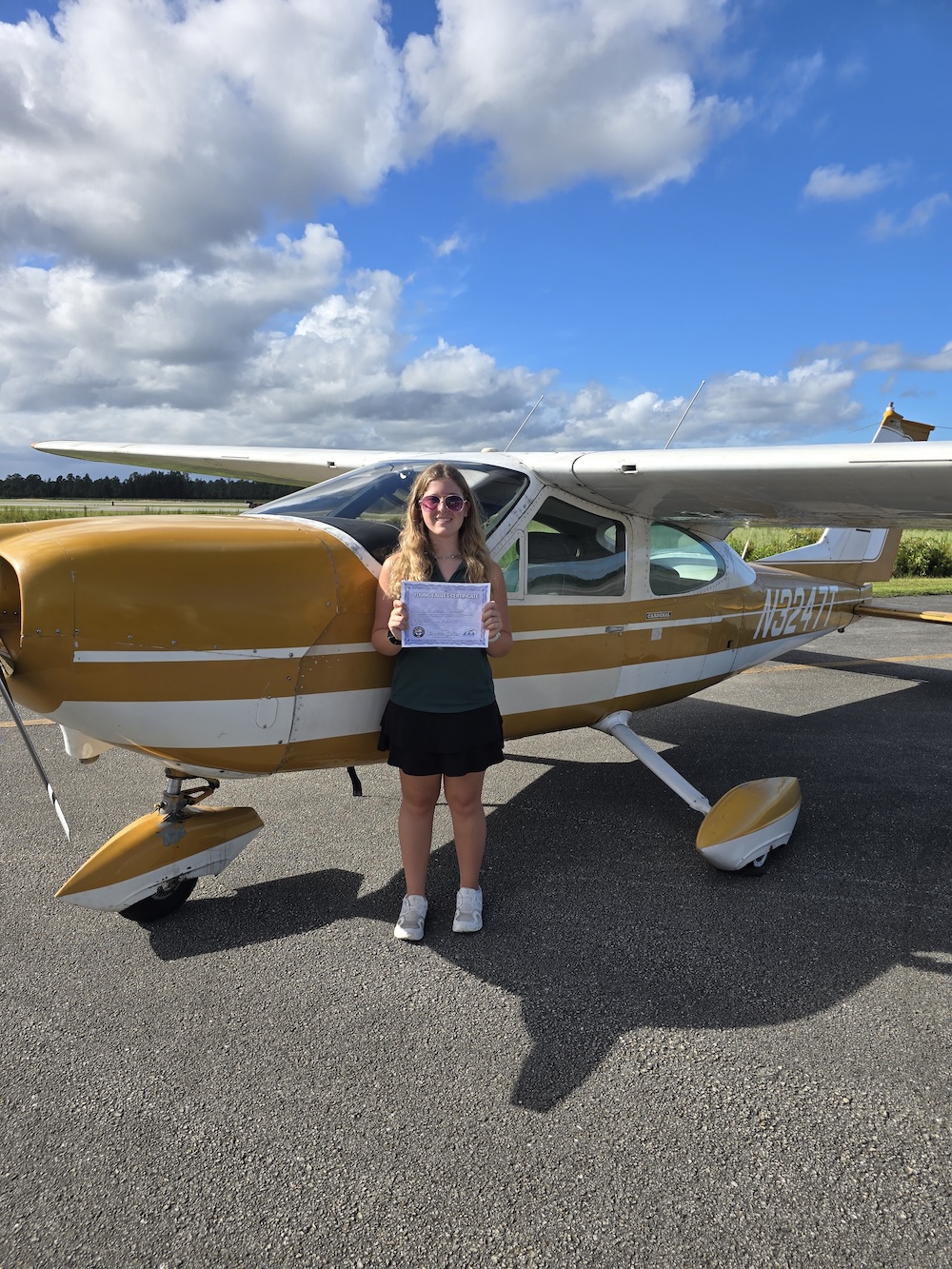
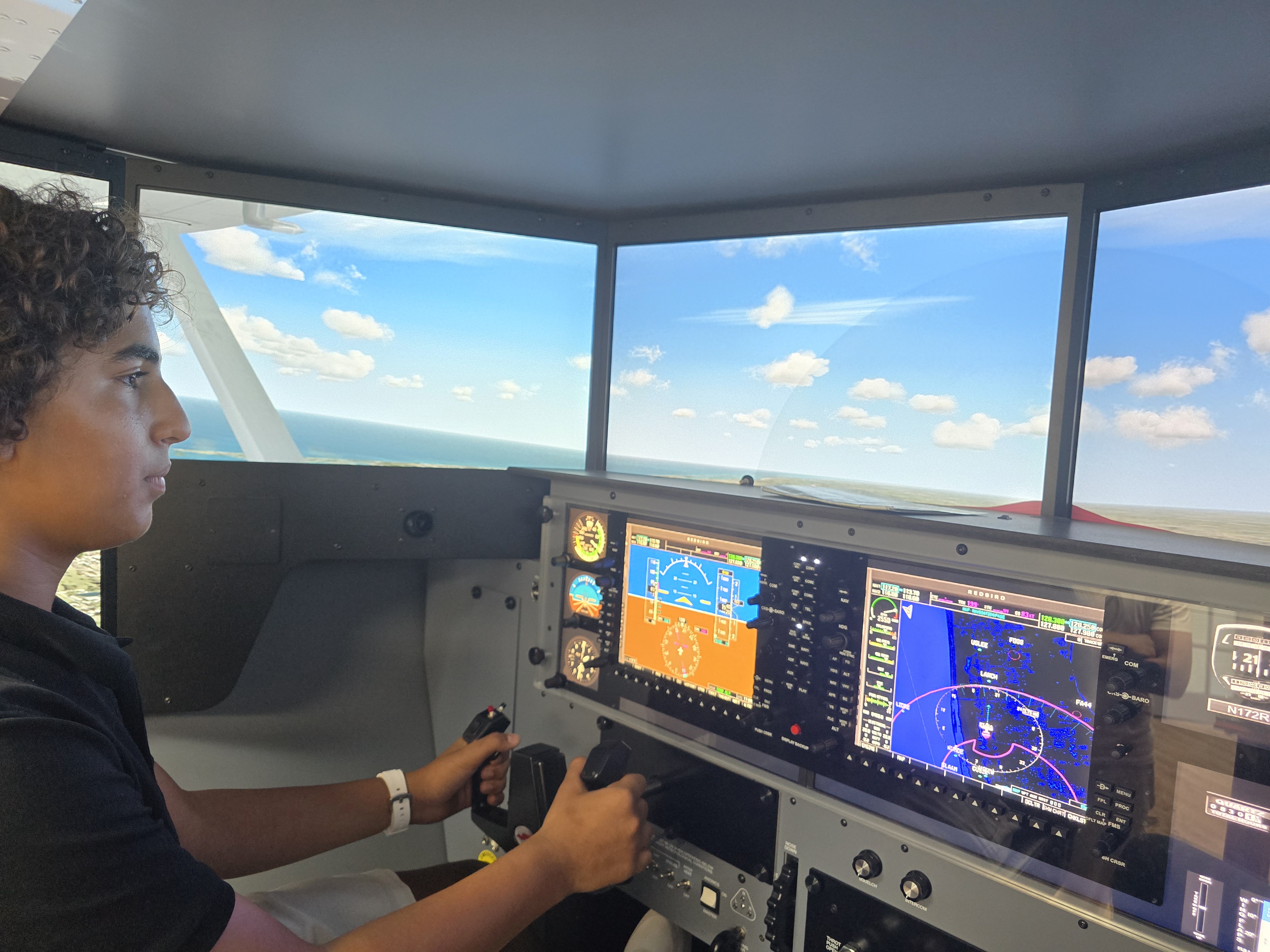

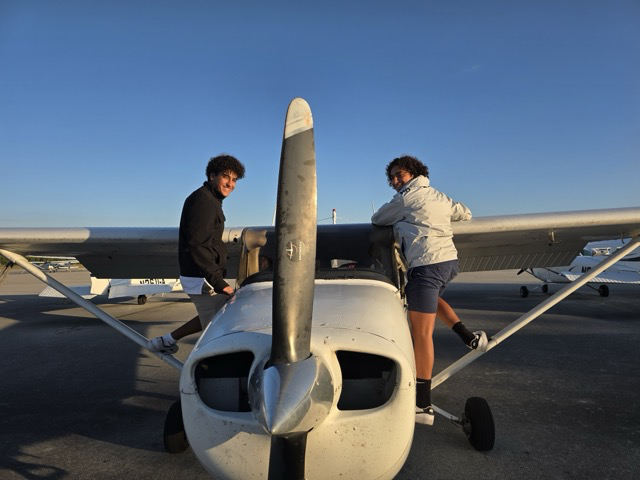
Educational innovation is more critical than ever, and The Greene School (TGS) in West Palm Beach, Florida, is taking learning to new heights—literally. With the recent opening of its state-of-the-art Flight Center, the school has elevated its already groundbreaking Aeronautics Program, offering a rigorous, multi-year curriculum that is actively launching the next generation of engineers, pilots, and industry innovators.
This is far from a traditional high school course. It is a forward-thinking program designed to prepare students for future careers in aviation, aerospace engineering, and Unmanned Aircraft Systems (UAS). The journey begins with a deep dive into flight history and aviation technology, but the real magic happens in the application within the new Flight Center's unique "Take Flight Lab."
Students entering as early as Middle School (MS) through High School (HS) chart their multi-year course, progressing from foundational knowledge to professional certification readiness through three distinct, specialized tracks:
These pathways ensure that by the time they graduate, TGS students have not just studied aviation; they have demonstrably achieved a significant, industry-recognized certification.
The foundation and success of the Aeronautics Program are directly attributable to the expertise and vision of its founder, Kaye Ebelt: Visionary Leader of The Greene School Aeronautics Program.
An Einstein Fellow and FAA-certified pilot, Ebelt serves as the program's mastermind, bringing her real-world aviation experience directly into the classroom. As a nationally recognized STEM leader and Hall of Fame inductee, she is supported by an extraordinary team that ensures the program’s groundbreaking curriculum is delivered with precision and innovation.
This team includes: Patrick Cullinane, an engineering whiz with over 15 years of global experience building game-changing STEM and robotics programs. He is the creative force behind million-dollar makerspaces where students turn bold ideas into reality and Mission Specialist Advisors from The Launch Pad Team—elite engineering experts and seasoned pilots with backgrounds spanning NASA to GE. The team also includes local legend John Slattery, a retired business engineer and stunt pilot who mentors students in flight, fabrication, and systems integration.
Overseeing the entire operation is the captain of learning airspace, Dr. Denise Spirou. With over 30 years in education, Dr. Spirou is on a mission to launch the next generation toward success. Known for her bold, student-centered approach, she lives what she teaches, having earned her private pilot's license at 51 in just eight weeks.
Within the cutting-edge facility, which features a full indoor flying space and a flight deck, students are more than just learners; they are active members of a dynamic team. They assume the roles of "ground crew," meticulously preparing and maintaining the aircraft for each mission. Others step into the role of "tower control," guiding and communicating with pilots from the ground. "Mission space advisors" take the lead, planning complex flight operations and analyzing data to achieve mission success.
The program's structure allows students to explore their passions through specialized tracks: Piloted Flight and UAS Operations (drones). This approach empowers students to follow their specific interests, whether they dream of soaring through the clouds in a cockpit or commanding cutting-edge drone technology.
This program is a powerful example of TGS's commitment to cross-curricular learning, connecting seamlessly with other innovative programs like robotics and computer science. This creates a holistic ecosystem where students can apply their knowledge across disciplines, turning a passion for flight into a comprehensive understanding of the entire STEM field.
What truly sets this program apart is the deep bench of professional aviation experts Kaye Ebelt has recruited from the local aviation community. These pilots, mechanics, and engineers bring thousands of hours of flight time and industry knowledge directly to the students. Most of these experts belong to the EAA Chapter 203, which is based at F45 (North County Airport in West Palm Beach).
The EAA Chapter 203, based at F45 (North County Airport in West Palm Beach), provides The Greene School's students with access to an incredible roster of professional pilots and industry experts. This group includes high-level commercial aviators such as James Weeks, an Airline Transport Pilot on the CE-680; retired United Captain Steven Arroya (B777); current Jet Blue Captain Paul Agnew; and Spirit Airlines Captain Jorge Conzolaz. Also contributing their expertise are Certificated Flight Instructor Instrument (CFII) Quinn Agnew and the program's founder, Kaye Ebelt, a Private Pilot, Advanced Ground Instructor (AGI), and the chapter's Young Eagle Pilot Coordinator.
The program and its mentors maintain deep ties with key national aviation organizations, ensuring students are exposed to the widest professional network:
The Greene School is not just shaping future leaders; it is proving that for its students, the sky is no longer the limit—it is just the beginning.
Educational innovation is more critical than ever, and The Greene School (TGS) in West Palm Beach, Florida, is taking learning to new heights—literally. With the recent opening of its state-of-the-art Flight Center, the school has elevated its already groundbreaking Aeronautics Program, offering a rigorous, multi-year curriculum that is actively launching the next generation of engineers, pilots, and industry innovators.
This is far from a traditional high school course. It is a forward-thinking program designed to prepare students for future careers in aviation, aerospace engineering, and Unmanned Aircraft Systems (UAS). The journey begins with a deep dive into flight history and aviation technology, but the real magic happens in the application within the new Flight Center's unique "Take Flight Lab."
Students entering as early as Middle School (MS) through High School (HS) chart their multi-year course, progressing from foundational knowledge to professional certification readiness through three distinct, specialized tracks:
These pathways ensure that by the time they graduate, TGS students have not just studied aviation; they have demonstrably achieved a significant, industry-recognized certification.
The foundation and success of the Aeronautics Program are directly attributable to the expertise and vision of its founder, Kaye Ebelt: Visionary Leader of The Greene School Aeronautics Program.
An Einstein Fellow and FAA-certified pilot, Ebelt serves as the program's mastermind, bringing her real-world aviation experience directly into the classroom. As a nationally recognized STEM leader and Hall of Fame inductee, she is supported by an extraordinary team that ensures the program’s groundbreaking curriculum is delivered with precision and innovation.
This team includes: Patrick Cullinane, an engineering whiz with over 15 years of global experience building game-changing STEM and robotics programs. He is the creative force behind million-dollar makerspaces where students turn bold ideas into reality and Mission Specialist Advisors from The Launch Pad Team—elite engineering experts and seasoned pilots with backgrounds spanning NASA to GE. The team also includes local legend John Slattery, a retired business engineer and stunt pilot who mentors students in flight, fabrication, and systems integration.
Overseeing the entire operation is the captain of learning airspace, Dr. Denise Spirou. With over 30 years in education, Dr. Spirou is on a mission to launch the next generation toward success. Known for her bold, student-centered approach, she lives what she teaches, having earned her private pilot's license at 51 in just eight weeks.
Within the cutting-edge facility, which features a full indoor flying space and a flight deck, students are more than just learners; they are active members of a dynamic team. They assume the roles of "ground crew," meticulously preparing and maintaining the aircraft for each mission. Others step into the role of "tower control," guiding and communicating with pilots from the ground. "Mission space advisors" take the lead, planning complex flight operations and analyzing data to achieve mission success.
The program's structure allows students to explore their passions through specialized tracks: Piloted Flight and UAS Operations (drones). This approach empowers students to follow their specific interests, whether they dream of soaring through the clouds in a cockpit or commanding cutting-edge drone technology.
This program is a powerful example of TGS's commitment to cross-curricular learning, connecting seamlessly with other innovative programs like robotics and computer science. This creates a holistic ecosystem where students can apply their knowledge across disciplines, turning a passion for flight into a comprehensive understanding of the entire STEM field.
What truly sets this program apart is the deep bench of professional aviation experts Kaye Ebelt has recruited from the local aviation community. These pilots, mechanics, and engineers bring thousands of hours of flight time and industry knowledge directly to the students. Most of these experts belong to the EAA Chapter 203, which is based at F45 (North County Airport in West Palm Beach).
The EAA Chapter 203, based at F45 (North County Airport in West Palm Beach), provides The Greene School's students with access to an incredible roster of professional pilots and industry experts. This group includes high-level commercial aviators such as James Weeks, an Airline Transport Pilot on the CE-680; retired United Captain Steven Arroya (B777); current Jet Blue Captain Paul Agnew; and Spirit Airlines Captain Jorge Conzolaz. Also contributing their expertise are Certificated Flight Instructor Instrument (CFII) Quinn Agnew and the program's founder, Kaye Ebelt, a Private Pilot, Advanced Ground Instructor (AGI), and the chapter's Young Eagle Pilot Coordinator.
The program and its mentors maintain deep ties with key national aviation organizations, ensuring students are exposed to the widest professional network:
The Greene School is not just shaping future leaders; it is proving that for its students, the sky is no longer the limit—it is just the beginning.
Educational innovation is more critical than ever, and The Greene School (TGS) in West Palm Beach, Florida, is taking learning to new heights—literally. With the recent opening of its state-of-the-art Flight Center, the school has elevated its already groundbreaking Aeronautics Program, offering a rigorous, multi-year curriculum that is actively launching the next generation of engineers, pilots, and industry innovators.
This is far from a traditional high school course. It is a forward-thinking program designed to prepare students for future careers in aviation, aerospace engineering, and Unmanned Aircraft Systems (UAS). The journey begins with a deep dive into flight history and aviation technology, but the real magic happens in the application within the new Flight Center's unique "Take Flight Lab."
Students entering as early as Middle School (MS) through High School (HS) chart their multi-year course, progressing from foundational knowledge to professional certification readiness through three distinct, specialized tracks:
These pathways ensure that by the time they graduate, TGS students have not just studied aviation; they have demonstrably achieved a significant, industry-recognized certification.
The foundation and success of the Aeronautics Program are directly attributable to the expertise and vision of its founder, Kaye Ebelt: Visionary Leader of The Greene School Aeronautics Program.
An Einstein Fellow and FAA-certified pilot, Ebelt serves as the program's mastermind, bringing her real-world aviation experience directly into the classroom. As a nationally recognized STEM leader and Hall of Fame inductee, she is supported by an extraordinary team that ensures the program’s groundbreaking curriculum is delivered with precision and innovation.
This team includes: Patrick Cullinane, an engineering whiz with over 15 years of global experience building game-changing STEM and robotics programs. He is the creative force behind million-dollar makerspaces where students turn bold ideas into reality and Mission Specialist Advisors from The Launch Pad Team—elite engineering experts and seasoned pilots with backgrounds spanning NASA to GE. The team also includes local legend John Slattery, a retired business engineer and stunt pilot who mentors students in flight, fabrication, and systems integration.
Overseeing the entire operation is the captain of learning airspace, Dr. Denise Spirou. With over 30 years in education, Dr. Spirou is on a mission to launch the next generation toward success. Known for her bold, student-centered approach, she lives what she teaches, having earned her private pilot's license at 51 in just eight weeks.
Within the cutting-edge facility, which features a full indoor flying space and a flight deck, students are more than just learners; they are active members of a dynamic team. They assume the roles of "ground crew," meticulously preparing and maintaining the aircraft for each mission. Others step into the role of "tower control," guiding and communicating with pilots from the ground. "Mission space advisors" take the lead, planning complex flight operations and analyzing data to achieve mission success.
The program's structure allows students to explore their passions through specialized tracks: Piloted Flight and UAS Operations (drones). This approach empowers students to follow their specific interests, whether they dream of soaring through the clouds in a cockpit or commanding cutting-edge drone technology.
This program is a powerful example of TGS's commitment to cross-curricular learning, connecting seamlessly with other innovative programs like robotics and computer science. This creates a holistic ecosystem where students can apply their knowledge across disciplines, turning a passion for flight into a comprehensive understanding of the entire STEM field.
What truly sets this program apart is the deep bench of professional aviation experts Kaye Ebelt has recruited from the local aviation community. These pilots, mechanics, and engineers bring thousands of hours of flight time and industry knowledge directly to the students. Most of these experts belong to the EAA Chapter 203, which is based at F45 (North County Airport in West Palm Beach).
The EAA Chapter 203, based at F45 (North County Airport in West Palm Beach), provides The Greene School's students with access to an incredible roster of professional pilots and industry experts. This group includes high-level commercial aviators such as James Weeks, an Airline Transport Pilot on the CE-680; retired United Captain Steven Arroya (B777); current Jet Blue Captain Paul Agnew; and Spirit Airlines Captain Jorge Conzolaz. Also contributing their expertise are Certificated Flight Instructor Instrument (CFII) Quinn Agnew and the program's founder, Kaye Ebelt, a Private Pilot, Advanced Ground Instructor (AGI), and the chapter's Young Eagle Pilot Coordinator.
The program and its mentors maintain deep ties with key national aviation organizations, ensuring students are exposed to the widest professional network:
The Greene School is not just shaping future leaders; it is proving that for its students, the sky is no longer the limit—it is just the beginning.
Educational innovation is more critical than ever, and The Greene School (TGS) in West Palm Beach, Florida, is taking learning to new heights—literally. With the recent opening of its state-of-the-art Flight Center, the school has elevated its already groundbreaking Aeronautics Program, offering a rigorous, multi-year curriculum that is actively launching the next generation of engineers, pilots, and industry innovators.
This is far from a traditional high school course. It is a forward-thinking program designed to prepare students for future careers in aviation, aerospace engineering, and Unmanned Aircraft Systems (UAS). The journey begins with a deep dive into flight history and aviation technology, but the real magic happens in the application within the new Flight Center's unique "Take Flight Lab."
Students entering as early as Middle School (MS) through High School (HS) chart their multi-year course, progressing from foundational knowledge to professional certification readiness through three distinct, specialized tracks:
These pathways ensure that by the time they graduate, TGS students have not just studied aviation; they have demonstrably achieved a significant, industry-recognized certification.
The foundation and success of the Aeronautics Program are directly attributable to the expertise and vision of its founder, Kaye Ebelt: Visionary Leader of The Greene School Aeronautics Program.
An Einstein Fellow and FAA-certified pilot, Ebelt serves as the program's mastermind, bringing her real-world aviation experience directly into the classroom. As a nationally recognized STEM leader and Hall of Fame inductee, she is supported by an extraordinary team that ensures the program’s groundbreaking curriculum is delivered with precision and innovation.
This team includes: Patrick Cullinane, an engineering whiz with over 15 years of global experience building game-changing STEM and robotics programs. He is the creative force behind million-dollar makerspaces where students turn bold ideas into reality and Mission Specialist Advisors from The Launch Pad Team—elite engineering experts and seasoned pilots with backgrounds spanning NASA to GE. The team also includes local legend John Slattery, a retired business engineer and stunt pilot who mentors students in flight, fabrication, and systems integration.
Overseeing the entire operation is the captain of learning airspace, Dr. Denise Spirou. With over 30 years in education, Dr. Spirou is on a mission to launch the next generation toward success. Known for her bold, student-centered approach, she lives what she teaches, having earned her private pilot's license at 51 in just eight weeks.
Within the cutting-edge facility, which features a full indoor flying space and a flight deck, students are more than just learners; they are active members of a dynamic team. They assume the roles of "ground crew," meticulously preparing and maintaining the aircraft for each mission. Others step into the role of "tower control," guiding and communicating with pilots from the ground. "Mission space advisors" take the lead, planning complex flight operations and analyzing data to achieve mission success.
The program's structure allows students to explore their passions through specialized tracks: Piloted Flight and UAS Operations (drones). This approach empowers students to follow their specific interests, whether they dream of soaring through the clouds in a cockpit or commanding cutting-edge drone technology.
This program is a powerful example of TGS's commitment to cross-curricular learning, connecting seamlessly with other innovative programs like robotics and computer science. This creates a holistic ecosystem where students can apply their knowledge across disciplines, turning a passion for flight into a comprehensive understanding of the entire STEM field.
What truly sets this program apart is the deep bench of professional aviation experts Kaye Ebelt has recruited from the local aviation community. These pilots, mechanics, and engineers bring thousands of hours of flight time and industry knowledge directly to the students. Most of these experts belong to the EAA Chapter 203, which is based at F45 (North County Airport in West Palm Beach).
The EAA Chapter 203, based at F45 (North County Airport in West Palm Beach), provides The Greene School's students with access to an incredible roster of professional pilots and industry experts. This group includes high-level commercial aviators such as James Weeks, an Airline Transport Pilot on the CE-680; retired United Captain Steven Arroya (B777); current Jet Blue Captain Paul Agnew; and Spirit Airlines Captain Jorge Conzolaz. Also contributing their expertise are Certificated Flight Instructor Instrument (CFII) Quinn Agnew and the program's founder, Kaye Ebelt, a Private Pilot, Advanced Ground Instructor (AGI), and the chapter's Young Eagle Pilot Coordinator.
The program and its mentors maintain deep ties with key national aviation organizations, ensuring students are exposed to the widest professional network:
The Greene School is not just shaping future leaders; it is proving that for its students, the sky is no longer the limit—it is just the beginning.
Educational innovation is more critical than ever, and The Greene School (TGS) in West Palm Beach, Florida, is taking learning to new heights—literally. With the recent opening of its state-of-the-art Flight Center, the school has elevated its already groundbreaking Aeronautics Program, offering a rigorous, multi-year curriculum that is actively launching the next generation of engineers, pilots, and industry innovators.
This is far from a traditional high school course. It is a forward-thinking program designed to prepare students for future careers in aviation, aerospace engineering, and Unmanned Aircraft Systems (UAS). The journey begins with a deep dive into flight history and aviation technology, but the real magic happens in the application within the new Flight Center's unique "Take Flight Lab."
Students entering as early as Middle School (MS) through High School (HS) chart their multi-year course, progressing from foundational knowledge to professional certification readiness through three distinct, specialized tracks:
These pathways ensure that by the time they graduate, TGS students have not just studied aviation; they have demonstrably achieved a significant, industry-recognized certification.
The foundation and success of the Aeronautics Program are directly attributable to the expertise and vision of its founder, Kaye Ebelt: Visionary Leader of The Greene School Aeronautics Program.
An Einstein Fellow and FAA-certified pilot, Ebelt serves as the program's mastermind, bringing her real-world aviation experience directly into the classroom. As a nationally recognized STEM leader and Hall of Fame inductee, she is supported by an extraordinary team that ensures the program’s groundbreaking curriculum is delivered with precision and innovation.
This team includes: Patrick Cullinane, an engineering whiz with over 15 years of global experience building game-changing STEM and robotics programs. He is the creative force behind million-dollar makerspaces where students turn bold ideas into reality and Mission Specialist Advisors from The Launch Pad Team—elite engineering experts and seasoned pilots with backgrounds spanning NASA to GE. The team also includes local legend John Slattery, a retired business engineer and stunt pilot who mentors students in flight, fabrication, and systems integration.
Overseeing the entire operation is the captain of learning airspace, Dr. Denise Spirou. With over 30 years in education, Dr. Spirou is on a mission to launch the next generation toward success. Known for her bold, student-centered approach, she lives what she teaches, having earned her private pilot's license at 51 in just eight weeks.
Within the cutting-edge facility, which features a full indoor flying space and a flight deck, students are more than just learners; they are active members of a dynamic team. They assume the roles of "ground crew," meticulously preparing and maintaining the aircraft for each mission. Others step into the role of "tower control," guiding and communicating with pilots from the ground. "Mission space advisors" take the lead, planning complex flight operations and analyzing data to achieve mission success.
The program's structure allows students to explore their passions through specialized tracks: Piloted Flight and UAS Operations (drones). This approach empowers students to follow their specific interests, whether they dream of soaring through the clouds in a cockpit or commanding cutting-edge drone technology.
This program is a powerful example of TGS's commitment to cross-curricular learning, connecting seamlessly with other innovative programs like robotics and computer science. This creates a holistic ecosystem where students can apply their knowledge across disciplines, turning a passion for flight into a comprehensive understanding of the entire STEM field.
What truly sets this program apart is the deep bench of professional aviation experts Kaye Ebelt has recruited from the local aviation community. These pilots, mechanics, and engineers bring thousands of hours of flight time and industry knowledge directly to the students. Most of these experts belong to the EAA Chapter 203, which is based at F45 (North County Airport in West Palm Beach).
The EAA Chapter 203, based at F45 (North County Airport in West Palm Beach), provides The Greene School's students with access to an incredible roster of professional pilots and industry experts. This group includes high-level commercial aviators such as James Weeks, an Airline Transport Pilot on the CE-680; retired United Captain Steven Arroya (B777); current Jet Blue Captain Paul Agnew; and Spirit Airlines Captain Jorge Conzolaz. Also contributing their expertise are Certificated Flight Instructor Instrument (CFII) Quinn Agnew and the program's founder, Kaye Ebelt, a Private Pilot, Advanced Ground Instructor (AGI), and the chapter's Young Eagle Pilot Coordinator.
The program and its mentors maintain deep ties with key national aviation organizations, ensuring students are exposed to the widest professional network:
The Greene School is not just shaping future leaders; it is proving that for its students, the sky is no longer the limit—it is just the beginning.
Educational innovation is more critical than ever, and The Greene School (TGS) in West Palm Beach, Florida, is taking learning to new heights—literally. With the recent opening of its state-of-the-art Flight Center, the school has elevated its already groundbreaking Aeronautics Program, offering a rigorous, multi-year curriculum that is actively launching the next generation of engineers, pilots, and industry innovators.
This is far from a traditional high school course. It is a forward-thinking program designed to prepare students for future careers in aviation, aerospace engineering, and Unmanned Aircraft Systems (UAS). The journey begins with a deep dive into flight history and aviation technology, but the real magic happens in the application within the new Flight Center's unique "Take Flight Lab."
Students entering as early as Middle School (MS) through High School (HS) chart their multi-year course, progressing from foundational knowledge to professional certification readiness through three distinct, specialized tracks:
These pathways ensure that by the time they graduate, TGS students have not just studied aviation; they have demonstrably achieved a significant, industry-recognized certification.
The foundation and success of the Aeronautics Program are directly attributable to the expertise and vision of its founder, Kaye Ebelt: Visionary Leader of The Greene School Aeronautics Program.
An Einstein Fellow and FAA-certified pilot, Ebelt serves as the program's mastermind, bringing her real-world aviation experience directly into the classroom. As a nationally recognized STEM leader and Hall of Fame inductee, she is supported by an extraordinary team that ensures the program’s groundbreaking curriculum is delivered with precision and innovation.
This team includes: Patrick Cullinane, an engineering whiz with over 15 years of global experience building game-changing STEM and robotics programs. He is the creative force behind million-dollar makerspaces where students turn bold ideas into reality and Mission Specialist Advisors from The Launch Pad Team—elite engineering experts and seasoned pilots with backgrounds spanning NASA to GE. The team also includes local legend John Slattery, a retired business engineer and stunt pilot who mentors students in flight, fabrication, and systems integration.
Overseeing the entire operation is the captain of learning airspace, Dr. Denise Spirou. With over 30 years in education, Dr. Spirou is on a mission to launch the next generation toward success. Known for her bold, student-centered approach, she lives what she teaches, having earned her private pilot's license at 51 in just eight weeks.
Within the cutting-edge facility, which features a full indoor flying space and a flight deck, students are more than just learners; they are active members of a dynamic team. They assume the roles of "ground crew," meticulously preparing and maintaining the aircraft for each mission. Others step into the role of "tower control," guiding and communicating with pilots from the ground. "Mission space advisors" take the lead, planning complex flight operations and analyzing data to achieve mission success.
The program's structure allows students to explore their passions through specialized tracks: Piloted Flight and UAS Operations (drones). This approach empowers students to follow their specific interests, whether they dream of soaring through the clouds in a cockpit or commanding cutting-edge drone technology.
This program is a powerful example of TGS's commitment to cross-curricular learning, connecting seamlessly with other innovative programs like robotics and computer science. This creates a holistic ecosystem where students can apply their knowledge across disciplines, turning a passion for flight into a comprehensive understanding of the entire STEM field.
What truly sets this program apart is the deep bench of professional aviation experts Kaye Ebelt has recruited from the local aviation community. These pilots, mechanics, and engineers bring thousands of hours of flight time and industry knowledge directly to the students. Most of these experts belong to the EAA Chapter 203, which is based at F45 (North County Airport in West Palm Beach).
The EAA Chapter 203, based at F45 (North County Airport in West Palm Beach), provides The Greene School's students with access to an incredible roster of professional pilots and industry experts. This group includes high-level commercial aviators such as James Weeks, an Airline Transport Pilot on the CE-680; retired United Captain Steven Arroya (B777); current Jet Blue Captain Paul Agnew; and Spirit Airlines Captain Jorge Conzolaz. Also contributing their expertise are Certificated Flight Instructor Instrument (CFII) Quinn Agnew and the program's founder, Kaye Ebelt, a Private Pilot, Advanced Ground Instructor (AGI), and the chapter's Young Eagle Pilot Coordinator.
The program and its mentors maintain deep ties with key national aviation organizations, ensuring students are exposed to the widest professional network:
The Greene School is not just shaping future leaders; it is proving that for its students, the sky is no longer the limit—it is just the beginning.


.svg)

